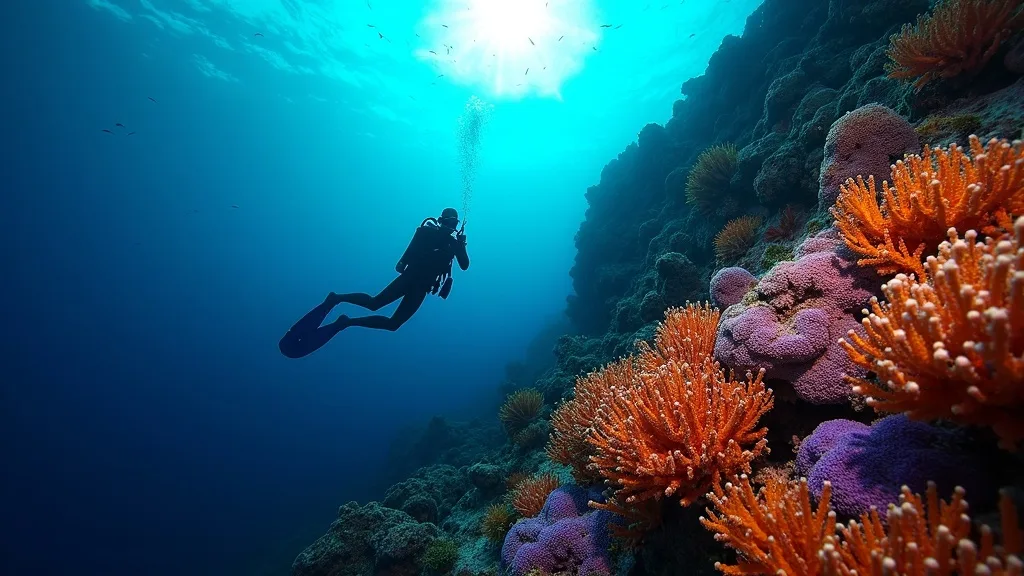
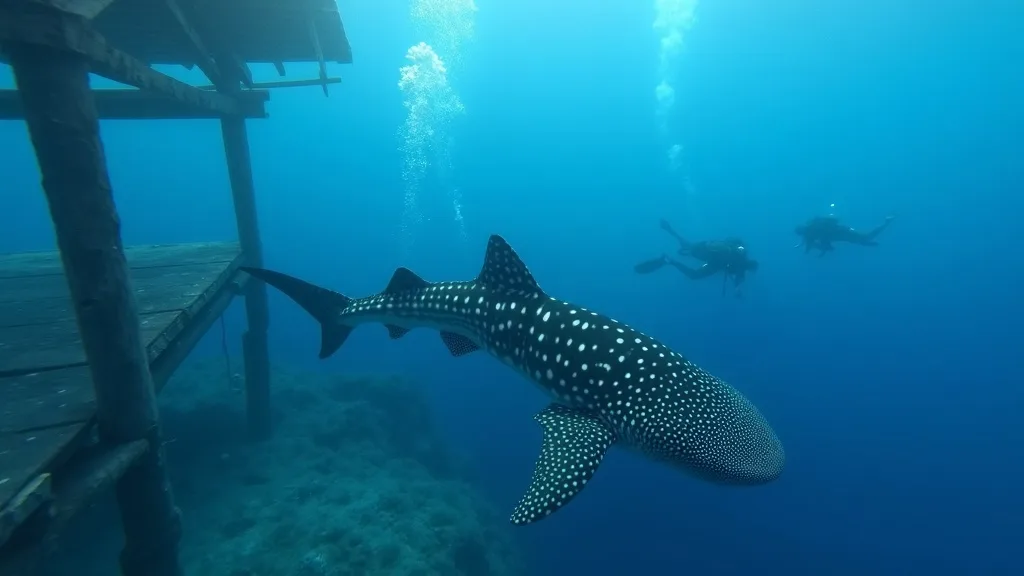
Raja Ampat island hopping with homestay accommodation offers an authentic, budget-friendly way to explore the archipelago, immersing you in local culture. These stays, particularly prevalent in areas like Kri, provide genuine interaction and support sustainable tourism, making them a cornerstone of responsible travel here.
Planning your 2027 Raja Ampat island hopping adventure involves considering accommodation, budget, and desired experiences. While luxury liveaboards offer high-end comfort with AC en-suite cabins, the homestay option presents a compelling alternative, particularly for those seeking a more grounded and affordable journey. This guide focuses on maximising your Raja Ampat island hopping experience through local homestays, ensuring a memorable and responsible trip.
Raja Ampat Island Hopping Homestay: An Authentic Experience
Opting for a homestay during your Raja Ampat island hopping provides a direct connection to the local communities. These accommodations are typically simple, offering basic amenities but an invaluable cultural exchange. For instance, many homestays on Kri Island are well-regarded for their hospitality and access to pristine natural environments. This approach aligns perfectly with the rising trend of independent travellers seeking authentic cultural immersion over resort-style isolation.
Budget-Friendly Raja Ampat Island Hopping Itinerary February 2027
A budget homestay island hopping itinerary in February 2027 is highly feasible. February falls within the dry season, offering stable weather ideal for exploring. Prices for homestays are significantly lower than resorts, and daily costs for food and basic activities are also manageable. Expect daily costs of around €35-€50 per person for accommodation and three meals. By choosing homestays, you directly contribute to the local economy, supporting families rather than large corporations. Consider planning a route that allows for longer stays in fewer locations to minimise boat transfer costs, which can range from €25 to €100 between islands.
2027 Raja Ampat Island Hopping Private Boat Package for Snorkelling Only
For those primarily interested in snorkelling, a private boat package can be tailored to specific preferences. This allows for flexibility in exploring various snorkelling sites without adhering to a rigid dive schedule. Many local homestay owners or a Raja Ampat island hopping with local guide can arrange these private boat charters, offering a bespoke experience. This is particularly appealing for non-divers seeking cost-effective boat tours, as the focus remains purely on surface exploration. Areas around Kri and Gam are excellent for snorkelling, boasting vibrant coral reefs and diverse marine life visible just below the surface.
Exploring Marine Life: Giant Oceanic Mantas March 2027
March 2027 presents an excellent opportunity to witness giant oceanic mantas. This month is known as a peak season for manta ray sightings, particularly around specific cleaning stations. If your Raja Ampat island hopping eco tour includes a focus on marine megafauna, ensure your itinerary incorporates known manta hotspots. A local guide will be invaluable in pinpointing the best locations and times for these encounters, enhancing the likelihood of a memorable sighting while also promoting responsible wildlife interaction.
Raja Ampat 5-Day Island Hopping Tour Including Pasir Timbul Sand Island
A 5-day tour is a popular choice for those with limited time. Such an itinerary can comfortably include iconic spots like Pasir Timbul, the ‘floating’ sand island, often appearing only at low tide. This natural phenomenon is a photographic delight and a unique stop during any island-hopping excursion. Combine this with visits to nearby islands such as Pianemo or Wayag (depending on your departure point) for panoramic views. When planning, consider the practicalities of solo travel in Raja Ampat, especially regarding boat sharing for cost efficiency.
Raja Ampat Island Hopping Route for 4 Main Islands: Waigeo, Batanta, Misool, Salawati
The Raja Ampat archipelago is named for its ‘Four Kings’, the four main islands: Waigeo, Batanta, Misool, and Salawati. While visiting all four comprehensively in a single trip requires considerable time, a focused Raja Ampat island hopping with local guide can help design an itinerary that touches upon key areas within these islands. For instance, many homestays are concentrated around Waigeo (near Waisai, the main ferry port) and the smaller islands to its south, providing a good base for exploring. Misool, known for its dramatic karst landscapes and ancient rock art, typically demands a dedicated trip due to its distance from Waisai.
2027 Note: As demand for sustainable and authentic travel grows, homestay options in Raja Ampat are expected to see increased popularity. It is advisable to book well in advance, especially for peak seasons like March for manta sightings or during school holidays, which might affect family-friendly Raja Ampat island hopping itineraries. Be aware that infrastructure, particularly internet access and ATM facilities, remain limited outside of Waisai; cash is king.
Cost of Boat Transfers for Raja Ampat Island Hopping Between Remote Islands
Boat transfers are a significant component of the overall cost when island hopping in Raja Ampat. Prices vary widely depending on distance, boat size, and negotiation. Expect to pay between €25 and €100 for transfers between homestays or for day trips to nearby islands. To manage these costs, it is often more economical to share boat charters with other travellers. Homestay owners are usually adept at coordinating these arrangements. Always confirm prices before departing and ensure they are clear about whether the cost is per person or for the entire boat.
Longer Raja Ampat Island Hopping for 10-12 Days: Dive and Snorkel Combo 2027
For those with more time, a 10-12 day trip allows for a comprehensive dive and snorkel combo. This duration is popular among divers as it provides ample opportunity to explore multiple dive sites and account for surface intervals. During such an extended stay, a mix of homestay accommodation and perhaps a short liveaboard segment for more remote areas could offer the best of both worlds. This allows deeper exploration of the archipelago’s biodiversity.
FAQ
Can I experience Raja Ampat island hopping while staying in local homestays?
Yes, Raja Ampat island hopping is very much possible and often enhanced by staying in local homestays. These accommodations, particularly prevalent on islands like Kri, offer an authentic cultural experience and are generally more budget-friendly than resorts. Many homestay owners can also arrange island tours and boat transfers.
What is the best time for Raja Ampat island hopping with homestay accommodation?
The best time for Raja Ampat island hopping with homestay accommodation is generally from October to April, coinciding with the dry season. This period offers calmer seas, excellent visibility for snorkelling and diving, and comfortable weather. March is particularly noted for manta ray sightings.
What should I expect regarding amenities when staying in a Raja Ampat homestay?
Raja Ampat homestays typically offer basic amenities. Expect simple, often rustic bungalows, shared bathrooms (though some may have private facilities), and three local meals per day included in the price. Electricity might be limited to certain hours, and internet access is often unavailable or very slow, encouraging a true digital detox.